

UNSC
UNITED NATIONS
SECURITY COUNCIL
Topic: The Congo Crisis, 1960
Committee Profile
Chapter 1, Article 1, Part 2 of the United Nations Charter, states that the purpose of the organization is, among other things, “To develop friendly relations among nations based on respect for the principle of equal rights and self-determination of peoples, and to take other appropriate measures to strengthen universal peace.”
What happens, however, when the self-determination of peoples has been denied for so long? What happens when they are suddenly left on their own, with few if any institutions to support their self-determination?
The year is 1960, and revolution is spreading across Africa. With the end of World War II, the devastated colonial empires of Europe can no longer maintain their overseas possessions, and one by one they have begun to break away. Some manage to leave peacefully, such as the Kingdom of Libya and the Republic of Sudan. Others have to fight to regain their land, as was the case in Morocco. Algeria remains locked in conflict with French forces, while previous uprisings in Kenya and Madagascar have been crushed. Even so, the cracks are spreading, and the Europeans can only hold on for so long. One possession stands out among the rest, however: Belgian Congo. Over the course of 75 years of colonial rule, the lands that would eventually become the Democratic Republic of the Congo suffered greatly at the hands of Belgian authorities. Within the first 25 years, the Congo was ruled as a personal colony of Leopold II, who sought to extract as many resources as possible, even at the cost of millions of lives as a consequence of forced labor, mutilation at the hands of colonial authorities, famine, and epidemics. While the worst of the violence stopped when the Belgians seized the colony from Leopold in 1908, the country’s institutions fundamentally remained extractive. As Congolese political parties rallied for independence throughout the 1950s, it became increasingly clear to the Belgians that their time was up. The independence movement, however, was not truly unified, and deep divisions between the various parties would ultimately spiral into a greater crisis.
This year’s UNSC will begin with Congo’s independence in 1960, as delegates seek to maintain order amid early independence and the beginnings of mutinies and rebellions across the country. However, given the abundance of natural resources—particularly cobalt, gold, and uranium—members of the committee may have competing interests and seek to exert their influence in the newly independent state. While the UNSC’s efforts to uphold peace and prevent the region from spiraling into conflict will take center stage, delegates will also have to balance the legacy of colonialism with the geopolitical struggles that would define the Cold War.
Committee Chair
-
University of Toronto
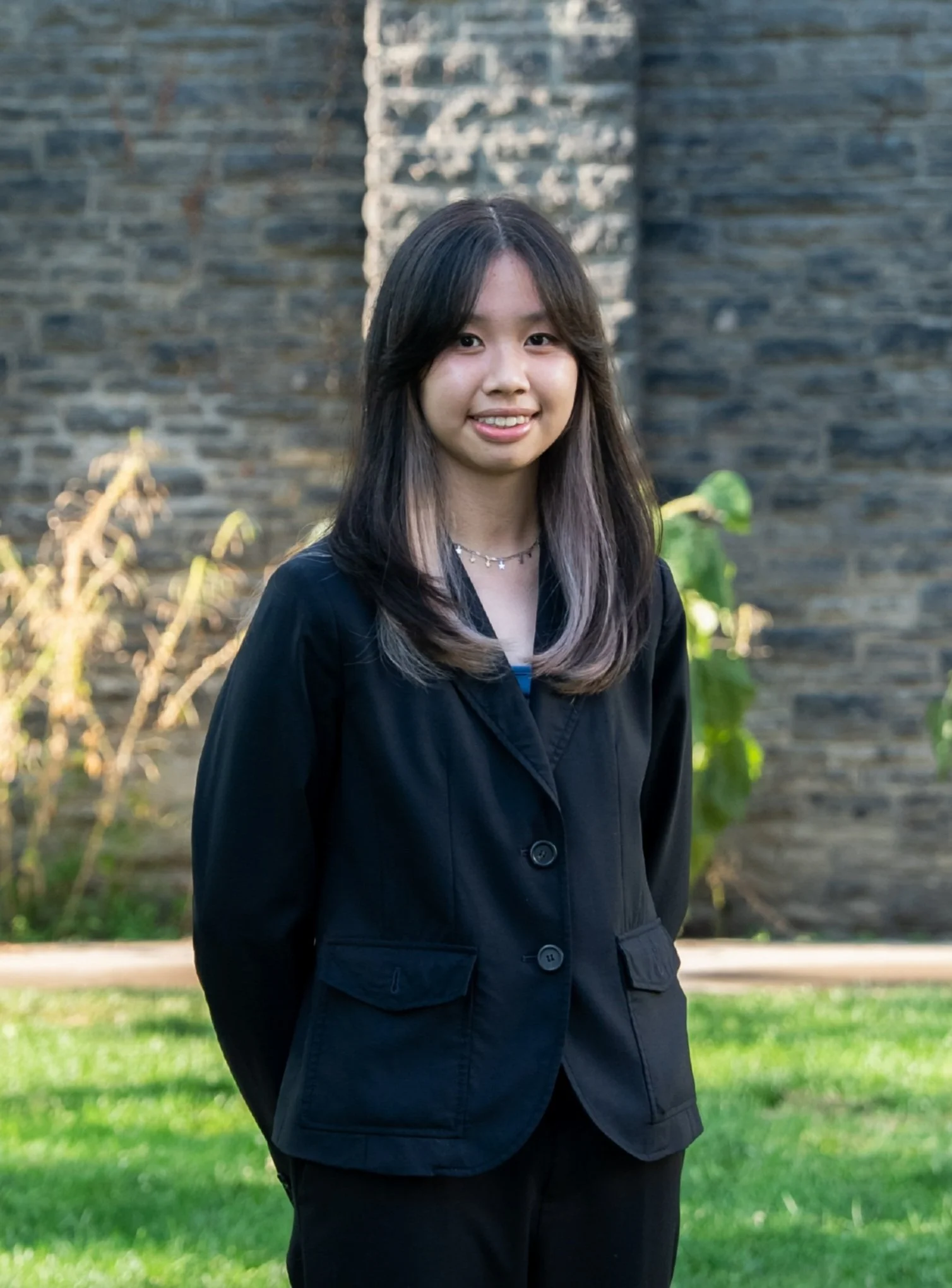
First-Year PacMUN StafferOafe Cheung is a second-year student at the University of Toronto, double-majoring in Sociology & Philosophy Studies. She is an avid crisis MUNer, with PacMUN being her first conference back in 10th grade, and has been involved ever since. She is excited to return to the conference’s vibrant community as a staffer. Outside of committee, you’ll find her napping (always), heavily invested in YouTube video essays, or going on spontaneous side quests. She’s excited to meet delegates and is looking forward to another entertaining and memorable iteration of PacMUN!
Crisis Director
-
University of California, Los Angeles
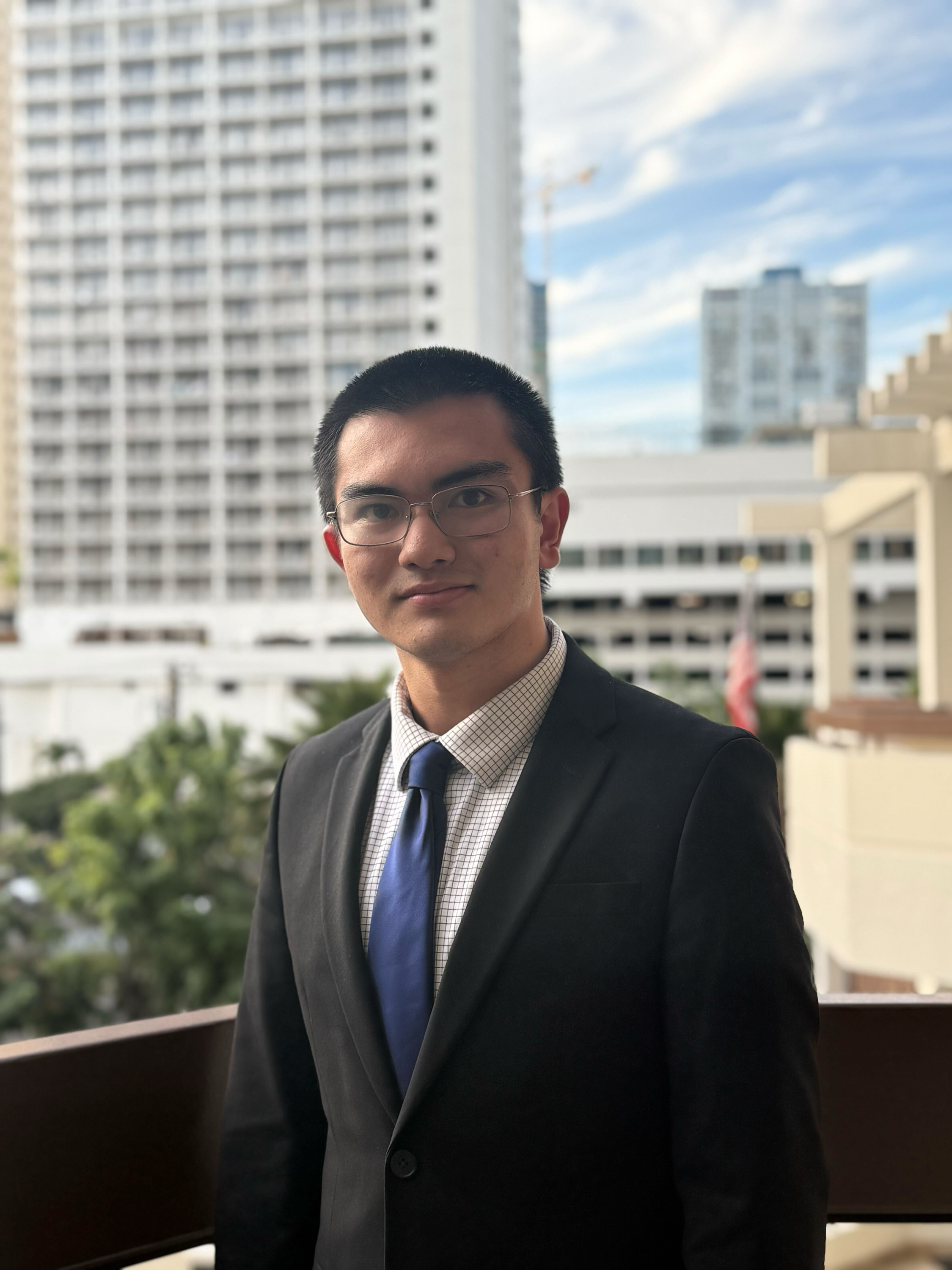
Third-Year PacMUN StafferConnor Davidson is a third-year student at the University of California, Los Angeles who was born and raised in Hawaiʻi Kai. He will be serving as the Crisis Director for the UNSC. Connor has been involved with both Model UN and PacMUN since his junior year of high school and hasn’t looked back since. This will be his fifth PacMUN and third as a Crisis Director. Outside of Model UN, he enjoys baking, running, writing, playing Dungeons & Dragons, and spending time with his pet bunnies (expect to see photos throughout the conference).
Crisis Director
-
University of California, Berkeley
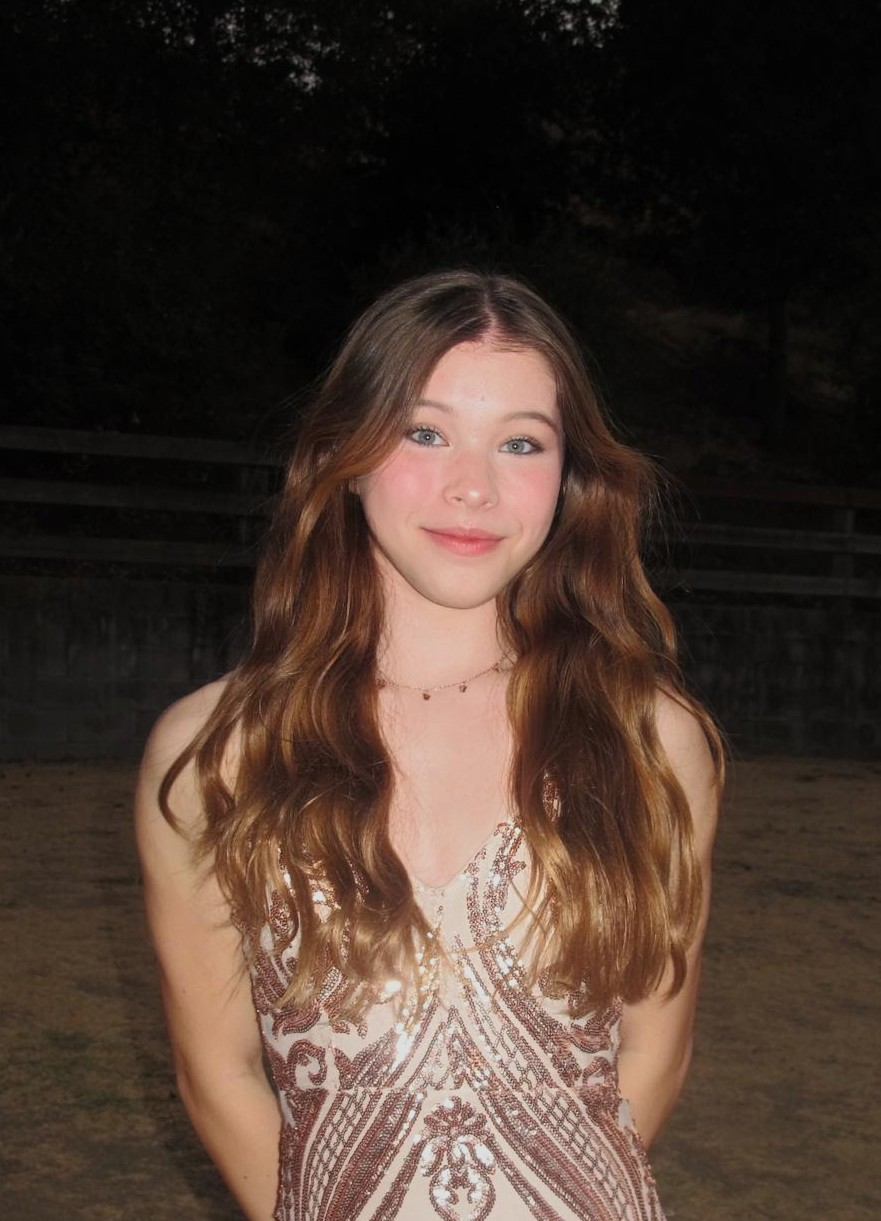
First-Year PacMUN StafferElise Beal is majoring in Global Affairs and is very excited to staff for PacMUN this year. Throughout high school, Elise has participated in Model United Nations as both a delegate and a member of her school’s secretariat. Outside of Model United Nations, Elise enjoys combat sports, photography, and bird watching! Previously, she was a 2-year consecutive member of Team USA Karate (yes, like that one guy in Cobra Kai). Elise is thrilled to witness all of your crisis arcs in committee and see everyone this coming Fall.