

AD HOC
THE AD HOC OF
THE SECRETARIES-GENERAL
Topic: Confidential
Committee Profile
Welcome to the Ad Hoc of the Secretaries-General, the most advanced committee we offer at PacMUN! We’re so excited to welcome you all to exciting discussion and debate surrounding [REDACTED], which will lead to some fascinating solutions about [REDACTED] that move toward [REDACTED] as delegates explore [REDACTED], [REDACTED], and hopefully, [REDACTED]. In addition to [REDACTED], we hope to see delegates thoroughly engage with [REDACTED] as they collaborate with fellow [REDACTED] to work on [REDACTED]. Overall, very interesting stuff!
———
Jokes aside, for those who are new to Ad Hoc, we wanted to take a moment to share with you how this committee is structured. The Ad Hoc is an Advanced Crisis Committee; in fact, it is the most advanced committee we offer at PacMUN XV, and it is intended for the most advanced delegates. Per standard Ad Hoc procedure, the topic will not be revealed to the public until the first day of the conference before the start of Committee Session I. The Background Guide is also not made available until the topic is revealed. Thus, delegates in this committee are not required to write a Position Paper, as they will not be able to research their position beforehand. Delegates will be forced to rely on the Background Guide and the Portfolio Powers they receive at the start of committee.
The Ad Hoc is intended to challenge a delegate’s ability to think on their feet and handle crises relying only on themselves and the resources we provide, thereby testing their capacity to make the most of what they’ve been given and not let perceived limitations keep them from engaging meaningfully in debate and problem-solving. It also forces delegates to rely on what they know and the skills they’ve acquired and honed from their time in MUN.
While we can’t disclose any specific information, we wanted to assure advisors and delegates alike that the Ad Hoc topic will be set in reality and is about a real-life event (as are all of our topics and committees at PacMUN XV). This is NOT a fictional committee.
Delegates will be assigned anonymous allocations (ex: Position 1, Position 2, etc.), which will correspond to the actual allocations listed in the Allocation Descriptions section of the Background Guide. These anonymous positions will also be what we put on the delegate’s name tag at the conference.
The award structure for this committee will also differ from the typical MUN award structure to reflect the heightened difficulty of the Ad Hoc and the heightened skill level of the delegates who participate in this committee. However, the change in award structure for Ad Hoc committees is typical across most MUN circuits. The Ad Hoc will award 3 Best Delegate awards (3 gavels) and 3 Verbal Commendations. No other awards will be given.
While the topic will remain a secret until the first day of the conference before the start of Committee Session I (hence our incredibly [REDACTED] message above), we won’t leave you all high and dry until then (we’re not that cruel). We’ll release 3 hints in the 3 days (one per day) on our website leading up to Friday, November 22, 2026, to gently nudge delegates in the right direction…
…if they can decipher our hints, that is.
(We can’t give up our secrets that easily).
———
Given the advanced nature of this committee, Ad Hoc delegates are expected to be familiar with standard crisis procedure by the time PacMUN rolls around. While our staffers are always happy to help answer questions and guide delegates, we want to avoid spending significant portions of committee explaining ROP that delegates should have prepared for prior.
For extra help and refreshers, we offer MUN 101 training sessions before Opening Ceremony that will cover both GA and Spec/Crisis procedure! We highly recommend you check these out for some last-minute MUN refreshers.
We know this might seem daunting, but the Ad Hoc is often the committee our delegates have the best time participating in. This committee is designed to be fast-paced, engaging, and fun, and our amazing staff can’t wait to bring it to life!
We’re really excited to see how much you guys enjoy [REDACTED]. Oh! Perhaps we’ve said too much…
Committee Chair
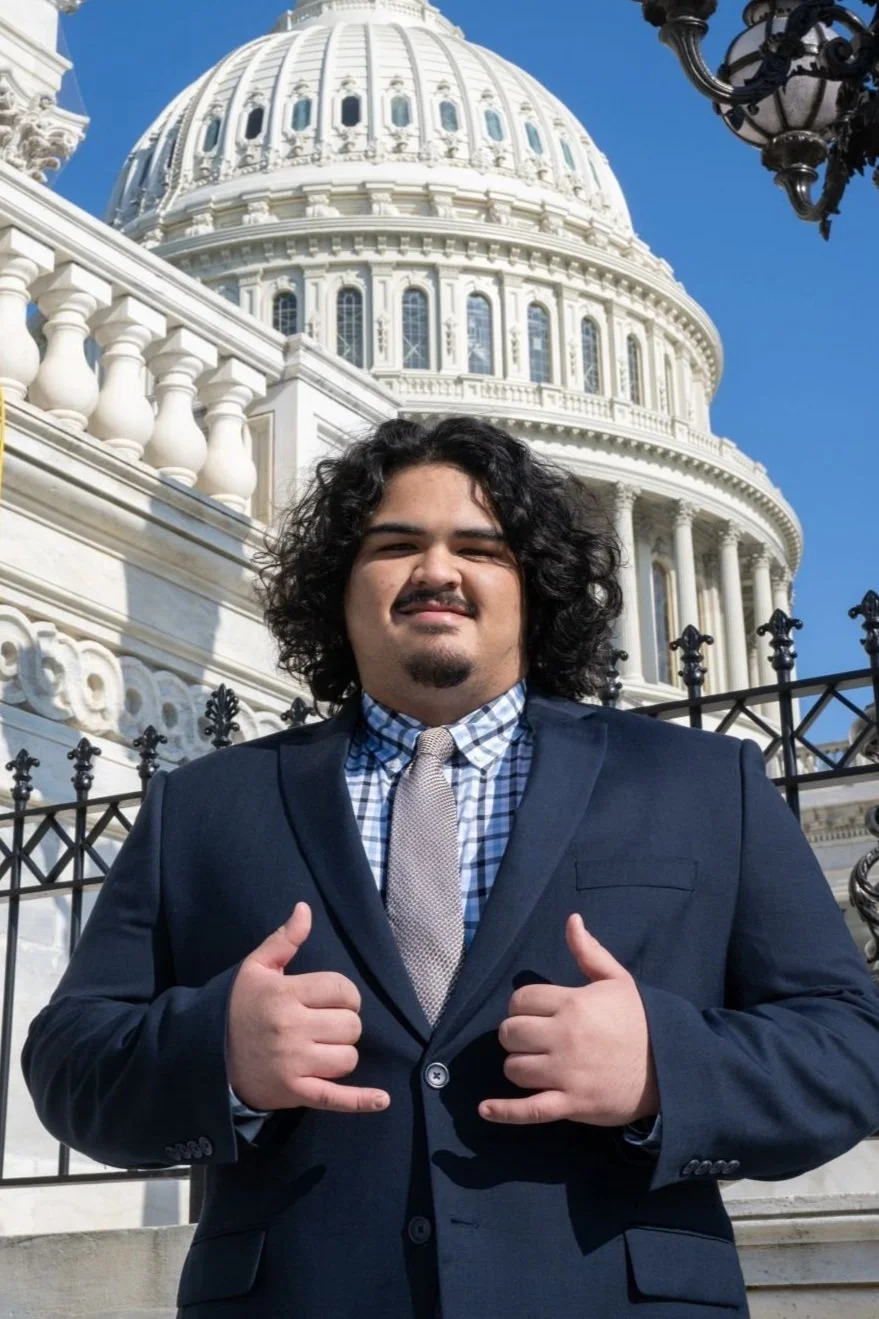
-
University of Hawaiʻi at Mānoa
Third-Year PacMUN StafferJB Araula is a recent graduate of the University of Hawaiʻi at Mānoa. He double-majored in Political Science and Filipino Arts, Language, and Culture. Currently, he is in the middle of his gap year, working full-time as an Office Manager for State Representative Greggor Ilagan of Puna. He has a burning passion for politics and policy, ignited by his years of experience in Model UN as both a delegate and a Chair. If he isn’t doing either, you’ll catch him playing video games or boogie-boarding Kauaʻi’s various shores.
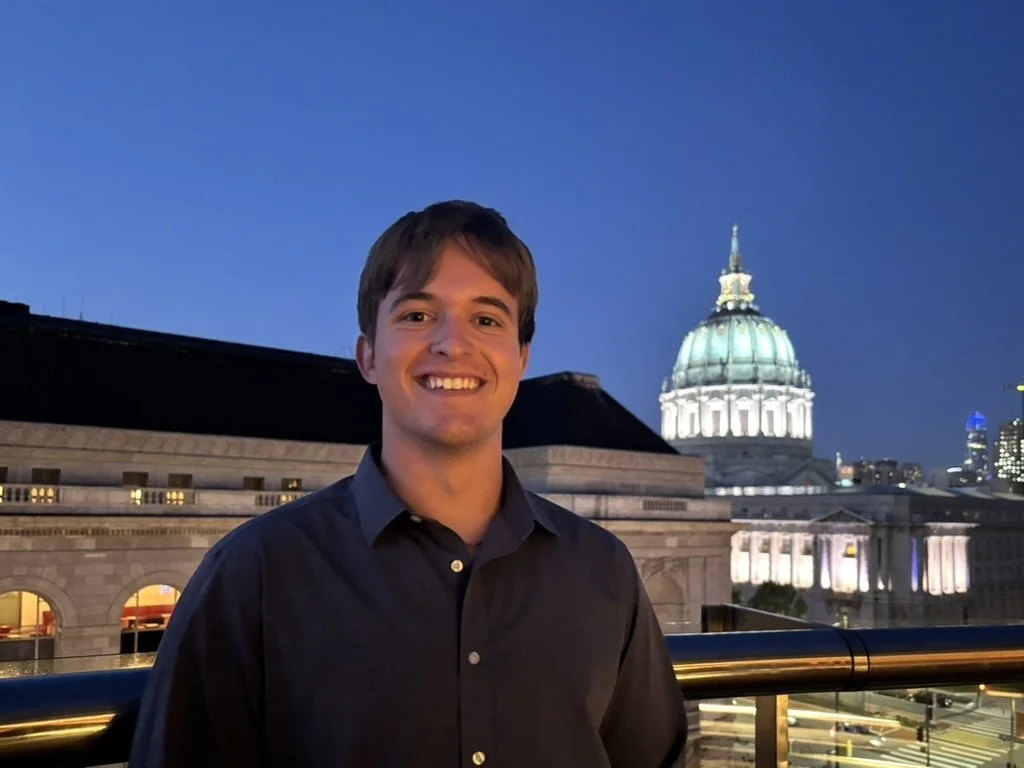
Crisis Director
-
University of California, Davis
Fourth-Year PacMUN StafferBenjamin Phipps is a graduate student from the University of California, Davis, majoring in Psychology and minoring in Human Rights and Anthropology. He participated in Model UN all throughout high school, also taking on various administrative roles within the club. In his free time, Benjamin is a musician with a beat tape called “Bad Therapy” released on SoundCloud under the name benjamino. This will be his 7th PacMUN (3 as a delegate and 4 as a Crisis Director), and he is very excited to meet all of you wonderful delegates this year!
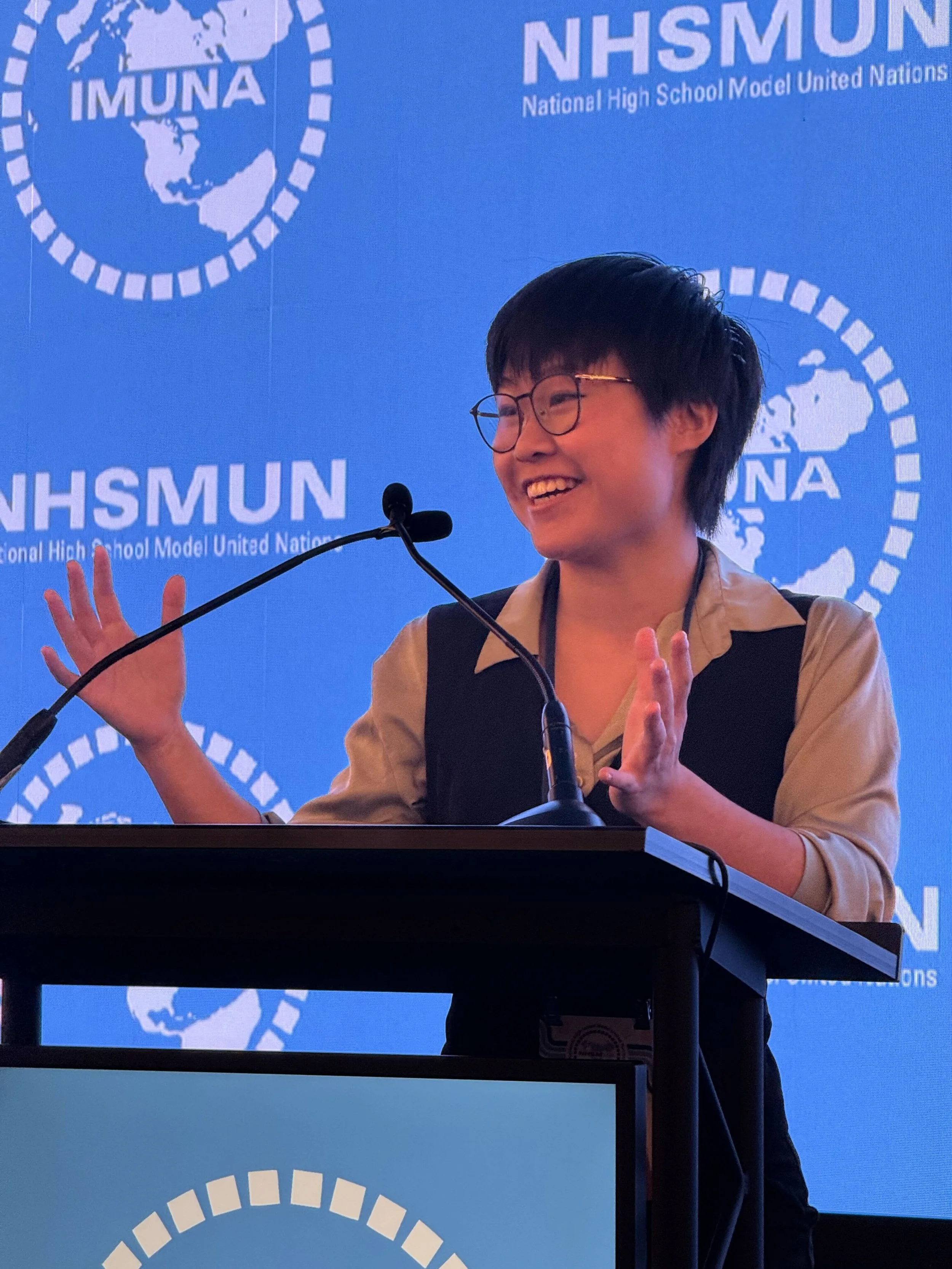
Crisis Director
-
University of California, Santa Barbara
Second-Year PacMUN StafferSophia Chen, or just Sophie, is a second-year student at the University of California, Santa Barbara, majoring in Physics with a minor in Education. She has been participating in Model UN since her freshman year of high school, and this will be her fifth time participating in PacMUN. Otherwise, Sophie loves to travel and visit UNESCO heritage sites, work at the REEF aquarium at UCSB, and watch horror game play-throughs (personal favorites being Still Wakes the Deep and Mouthwashing)!